Who Can Access Flock Camera Data? Police, HOAs, TALON & Fusion Centers
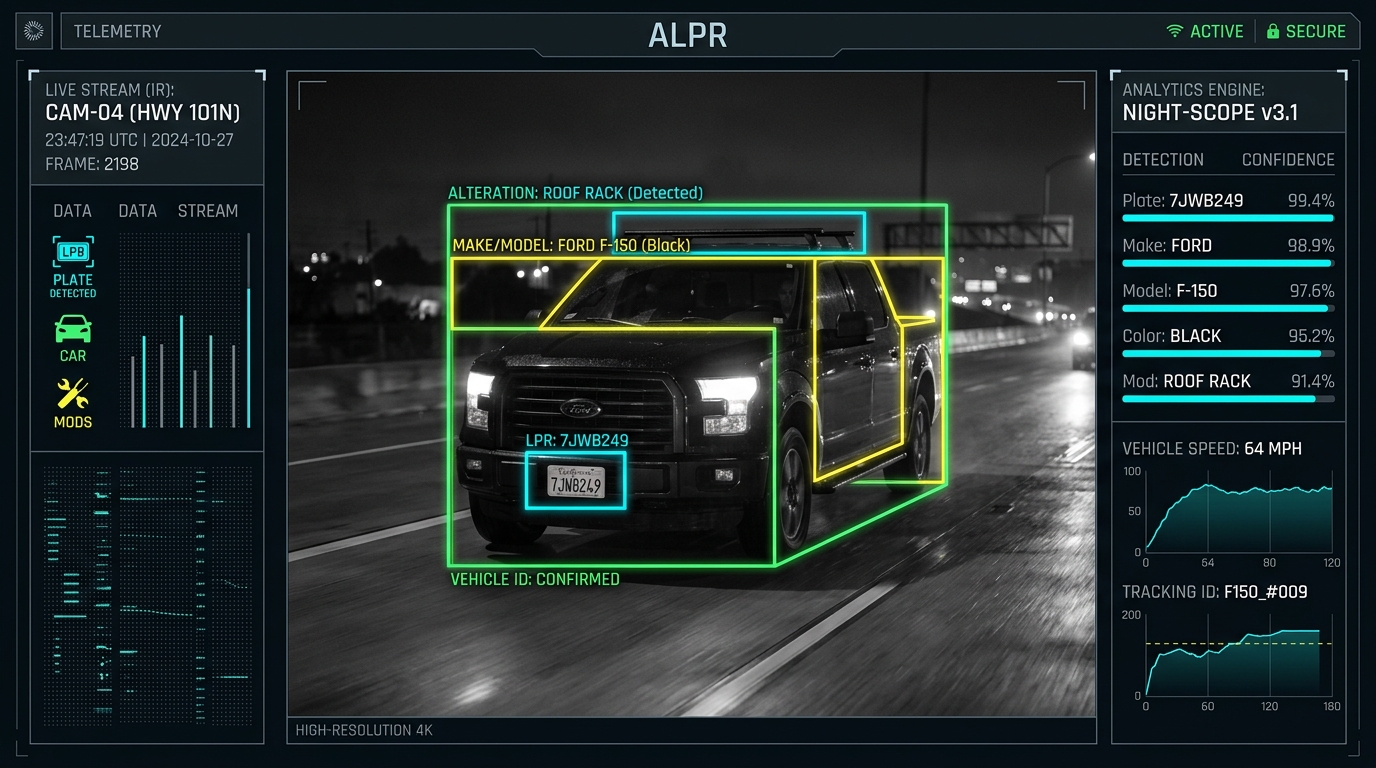
Immediate Answer: Who Can View the Data?
Access to Flock Safety camera data depends on whether the camera was purchased by a public law enforcement agency or a private entity (such as an HOA or commercial shopping plaza):
- Law Enforcement Officers: Sworn personnel in subscribing departments have access through individual authenticated login accounts. Officers must enter an active police report or CAD incident number before executing a search.
- Partner Police Departments via TALON: Through reciprocal Memorandums of Understanding (MOUs), a municipal police department can share camera access with neighboring counties, state agencies, or national task forces.
- Private Homeowners Associations (HOAs): HOA board members or neighborhood security directors who buy Flock cameras can review footage of vehicles entering their neighborhood, and can opt to grant local police automatic real-time access.
- Federal Agencies: Federal agencies (such as the DEA, FBI, or Homeland Security Investigations) gain access either through participation in local fusion centers or direct inter-agency sharing agreements with municipal police.
How Inter-Agency Data Sharing Works: The TALON Network
Flock’s software features a national sharing network called TALON, which functions as an interconnected search engine across participating jurisdictions:
- Local Sharing: City A automatically shares its camera detections with neighboring City B and the County Sheriff.
- Statewide Networks: In states like Georgia, Texas, and Ohio, hundreds of agencies interconnect to track vehicles fleeing across county lines.
- Private-to-Public Integration: When an HOA or apartment complex installs a Flock camera, they can click a single software toggle to share their camera live with local dispatchers, turning private neighborhood entrances into public police monitoring checkpoints without requiring a judicial search warrant.
Prohibited Access Tiers: Who Is Blocked?
Flock Safety's terms of service and software access controls explicitly block commercial access:
- Insurance Companies: Insurance claim adjusters cannot query Flock databases to track insured drivers.
- Repossession Agents & Debt Collectors: Commercial repossession companies are barred from accessing public safety feeds.
- Private Investigators & General Public: Private citizens cannot purchase access to search municipal plate databases.
Search Audit Logging & Accountability
Every query executed on the Flock Safety administrative portal generates an immutable audit record:
- User's full name, email address, and badge number.
- Exact timestamp of query.
- Search parameters used (plate number, color, make, model).
- Entered justification (mandatory incident case number or dispatch CAD ID).
Public records audits have revealed that while audit logs are automatically recorded, internal supervisory review varies significantly across police departments. Citizens in most states have the legal right under state FOIA statutes to inspect these search audit logs.
Explore These Cameras On The Live Map
Search your state or city to see verified camera locations and vision cones in real time.
Frequently Asked Questions
Common questions addressed in this guide.